In 2015, the San Antonio Missions became the first — and still one of the very few — World Heritage Sites in Texas. If you've ever stood in the quiet courtyard of Mission San José or traced the worn stone of the Alamo's façade and wondered what earns a place that kind of global recognition, this guide is for you. Below, we walk through what UNESCO actually looked for, why these five missions made the cut together, and how you can experience the story firsthand.
First, what is a UNESCO World Heritage Site?
UNESCO — the United Nations Educational, Scientific and Cultural Organization — maintains a list of places considered to have "outstanding universal value" to humanity. Getting on that list is rigorous. A site has to meet at least one of ten strict criteria, demonstrate authenticity and integrity, and have a solid long-term protection and management plan. Think of it less as a popularity contest and more as an international commitment to preserve something irreplaceable for future generations.
The five missions, working as one
Crucially, San Antonio wasn't inscribed for a single building. The World Heritage designation covers a linked group of five 18th-century Spanish colonial missions:
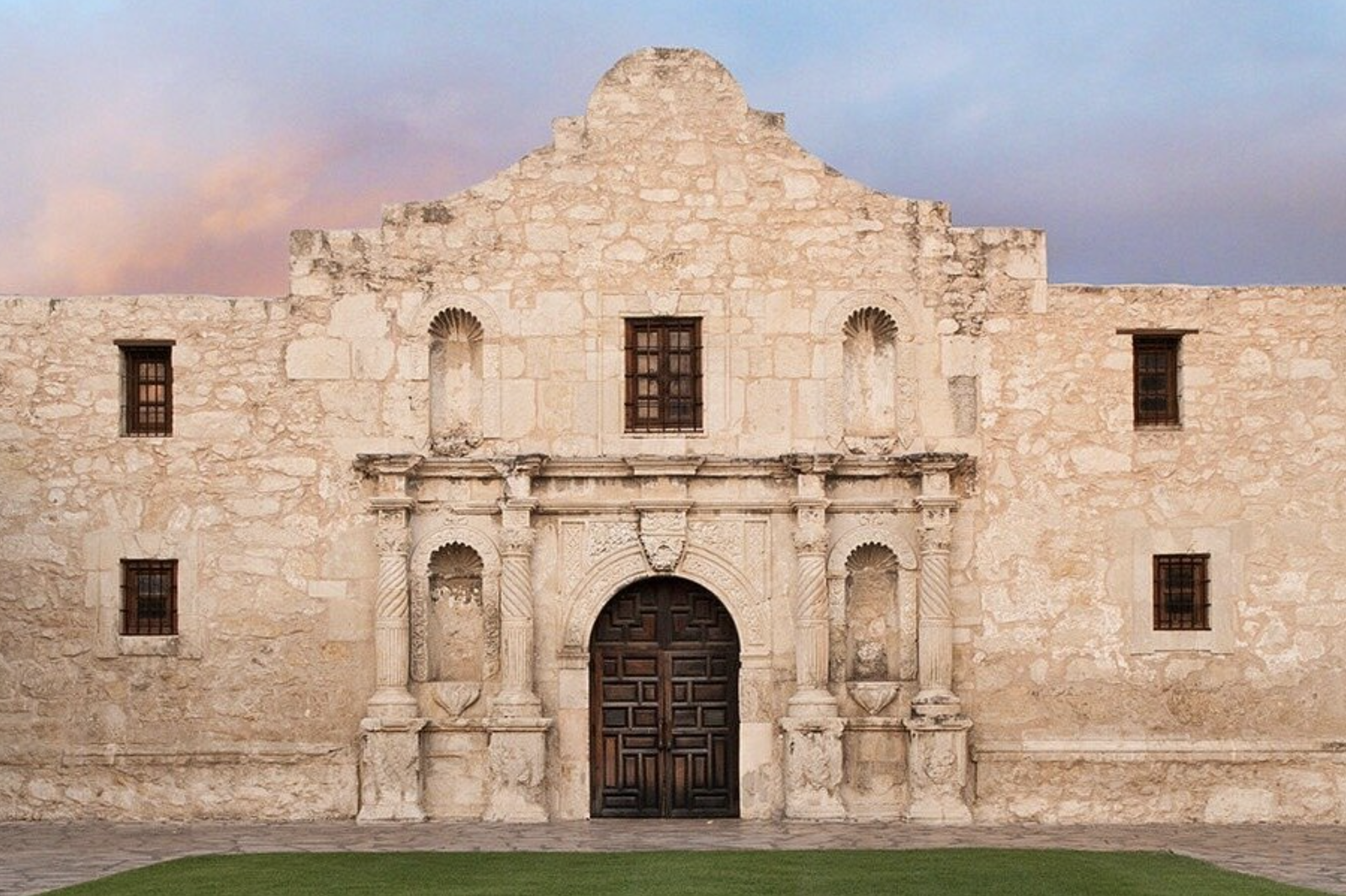
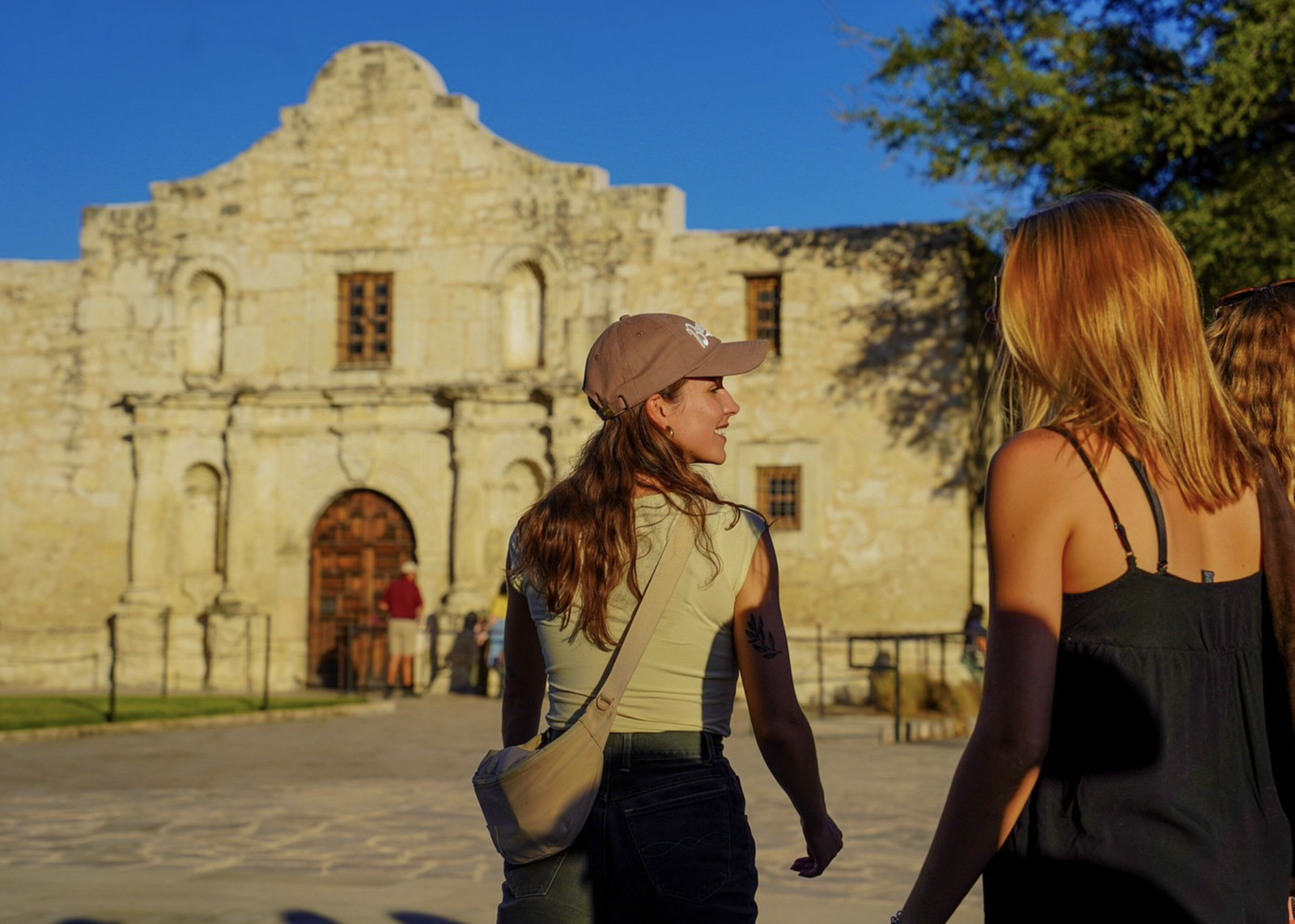
- Mission San Antonio de Valero — better known today as the Alamo
- Mission San José y San Miguel de Aguayo — often called the "Queen of the Missions"
- Mission Nuestra Señora de la Purísima Concepción
- Mission San Juan Capistrano
- Mission San Francisco de la Espada
Four of these are still active parish churches and part of San Antonio Missions National Historical Park, connected along the San Antonio River by a walkable and bikeable Mission Trail. It's this ensemble — the churches plus their farmlands, granaries, water systems, and workshops — that tells the full story.
Why UNESCO said yes
A remarkable record of cultural exchange
The missions were founded in the early-to-mid 1700s as part of Spain's effort to extend its frontier northward. But they weren't simply Spanish transplants. They became places where Spanish Catholic culture met and blended with the lifeways of the Indigenous Coahuiltecan peoples. That interweaving — in architecture, farming, craft, and daily life — is exactly the kind of cultural fusion UNESCO prizes.
Ingenious engineering built for the land
The missions were self-sustaining communities. Their acequias (irrigation channels), dams, and aqueducts — some of which still carry water today — show sophisticated adaptation of Old World techniques to the Texas landscape. The Espada Aqueduct, for instance, is a rare surviving example of Spanish colonial water engineering in the United States.
Authenticity you can still stand inside
Because four of the missions remain living churches, and because so much of the surrounding infrastructure survives, the site retains a genuine sense of how these communities actually functioned. That continuity — a place still used for its original purpose nearly three centuries on — carried real weight in the decision.
In short: the missions earned their status not as pretty ruins, but as an authentic, interconnected record of how two very different worlds met, adapted, and built something lasting together.
How to experience it for yourself
The best way to appreciate why these missions matter is to see how they connect. You can absolutely explore the Mission Trail independently by car, bike, or on foot, but a knowledgeable guide brings the water systems, the carvings, and the human stories to life in a way that's hard to piece together alone.
Guided tours worth considering
If you'd like the context woven in as you go, a few guided options make the history click:
- The Mission Trail Heritage Three and a Half Hour Tour is a good pick if you want a fuller, unhurried run along the trail.
- The San Antonio UNESCO Premium Missions Tour centers the World Heritage story directly.
- For a more intimate, conversational experience, compare the two Small-Group World Heritage San Antonio Missions Guided Tour options — there's a second departure here as well, which can help if your preferred date is full.
You can browse everything side by side on our Tours page to match the length and pace to your trip.
Read up before (or after) you go
Reading around the subject makes every stop richer — and these books make thoughtful souvenirs, too. A few we point readers toward:
- The Spanish Missions of San Antonio by Lewis F. Fischer — a good overview of the architecture and history.
- San Antonio Missions National Historical Park by Luis Torres — focused on the park itself.
- San Antonio and Its Missions by Joel Daniel Kitchens — for readers who want to go deeper into the city's mission story.
You'll find these and other picks over in the Shop.
A few practical tips for your visit
- Give yourself time. Seeing all five missions properly is a half-day at minimum. Rushing the trail undersells exactly what makes it special.
- Remember the churches are active. Four missions still hold services — dress and behave respectfully, and check for any Mass times before you plan a visit.
- Bring water and sun protection. Much of the walking is outdoors with limited shade, and Texas sun is no joke.
- Look beyond the churches. The granaries, aqueducts, and irrigation channels are where the World Heritage story really lives — don't skip them.
Whether you come for the architecture, the engineering, or the human history of cultures meeting on the Texas frontier, the San Antonio Missions reward slow, curious exploration. Their UNESCO status isn't a formality — it's an invitation to look closer.