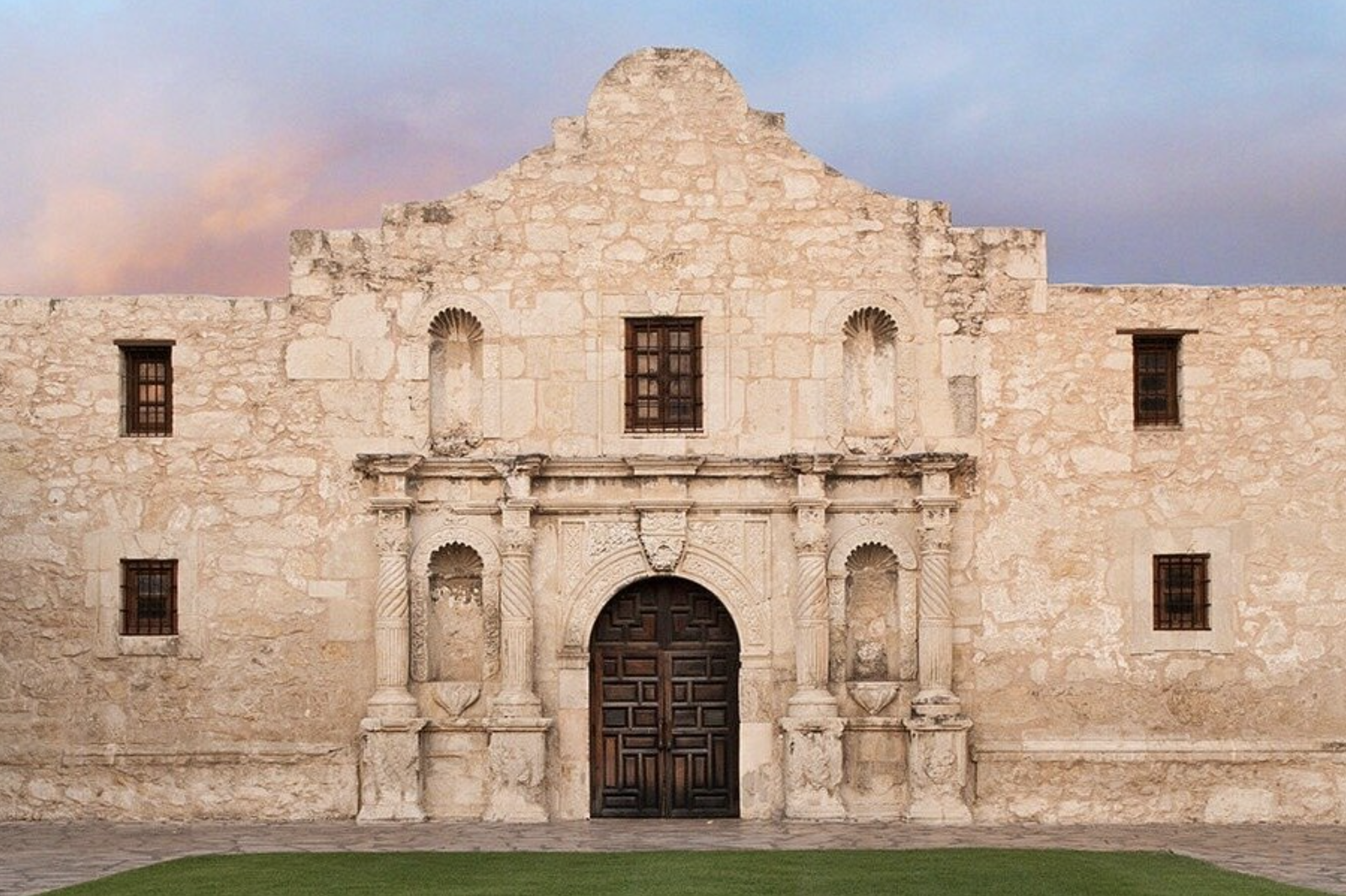
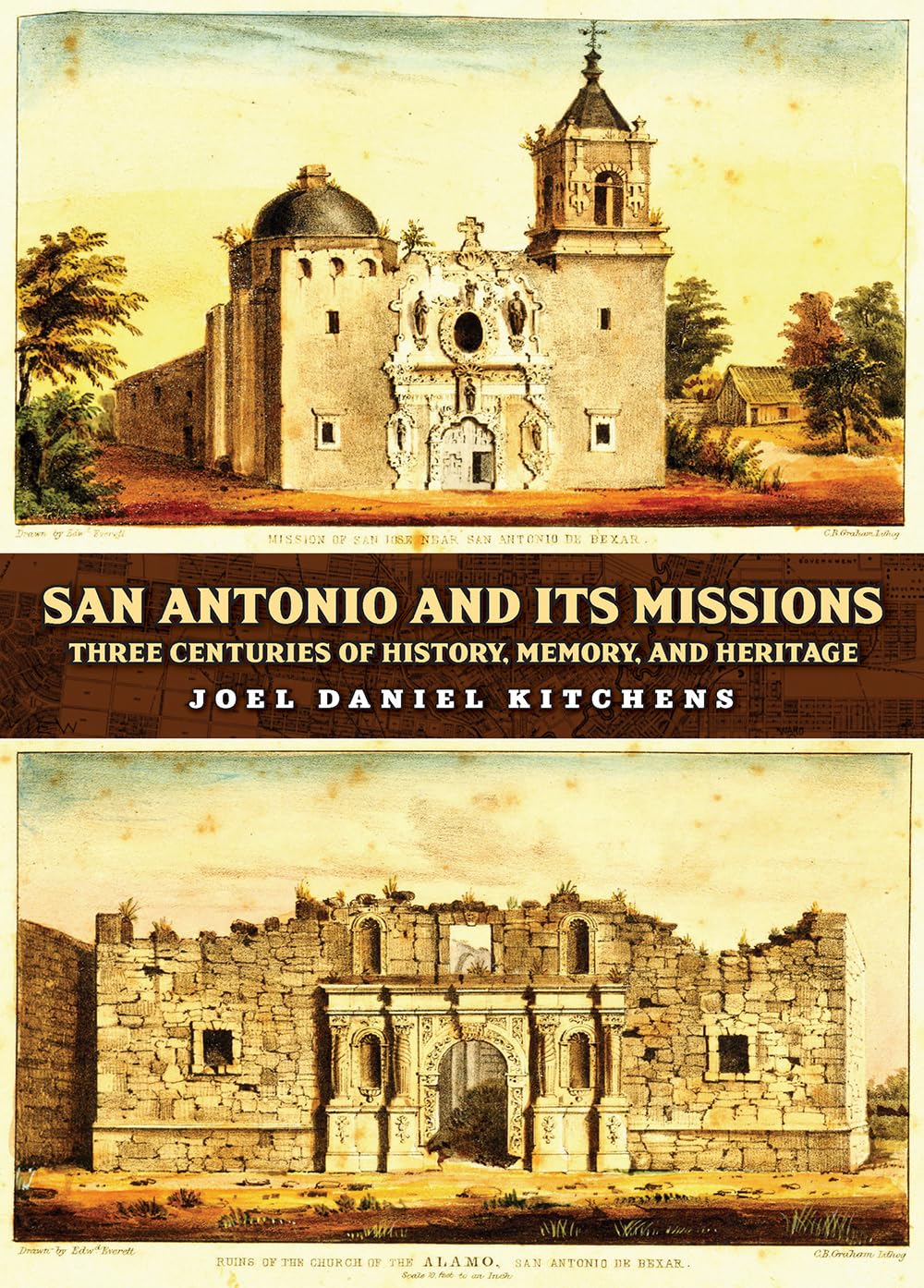
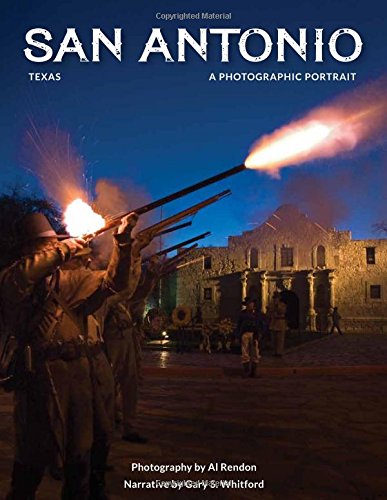
Most people arrive in San Antonio knowing one name: the Alamo. But the Alamo is only a fragment of a much larger and far older story. Strung along the San Antonio River are five Spanish colonial missions that together form one of the most complete pictures of frontier life in early North America—so significant that they were collectively named a UNESCO World Heritage Site. Understanding why they exist, and what really happened inside their walls, transforms a quick photo stop into something genuinely moving.
This guide walks through the history in plain language, clears up a few common misconceptions, and offers practical advice for exploring the missions in a way that honors their full story.
Why the missions were built in the first place
In the early 1700s, Spain was trying to hold onto a vast, thinly populated northern frontier. Missions were the tool it used to do that. They were not simply churches—they were entire self-sustaining communities designed to convert Indigenous peoples to Catholicism, make them subjects of the Spanish crown, and anchor Spain's claim to the land against rival powers, especially the French pushing westward.
Each mission was meant to function as a working town: a church, living quarters, farmland, ranch land, workshops, and a water system. The goal, at least on paper, was that within a generation the mission would "secularize"—transition into a self-governing civilian town. Some of that vision came true, and some of it collapsed under the weight of disease, hardship, and competing interests.
Meet the five missions
Four of the five missions are managed today as part of San Antonio Missions National Historical Park, while the Alamo is a separate site with its own history. Here's the short version of each:
Mission San Antonio de Valero (the Alamo)
Founded in 1718, this was the first of the San Antonio missions. It later became far better known for the 1836 battle during the Texas Revolution than for its religious origins—which is why so many visitors forget it began as a mission at all.
Mission Concepción
Often praised as one of the best-preserved stone churches of its kind in the country. Look closely and you can still find traces of the colorful geometric frescoes that once covered its walls, inside and out.
Mission San José
Nicknamed the "Queen of the Missions" for its size and grandeur. Its restored walls, granary, and famous carved window give the clearest sense of how a full mission community was laid out and defended.
Mission San Juan Capistrano
A quieter, more agricultural mission with a simple, graceful chapel. Its surrounding fields and nearby demonstration farm hint at how central farming and ranching were to daily survival.
Mission Espada
The southernmost mission, home to a small chapel and the remarkable Espada Aqueduct—an early 18th-century Spanish colonial aqueduct that is still functioning, a genuine feat of frontier engineering.
The people often left out of the story
It's easy to frame the missions around the Spanish friars who founded them. But the missions could not have existed without the Indigenous peoples who lived, worked, worshipped, and died within them. Many were Coahuiltecan-speaking groups from the surrounding region who entered the missions seeking protection from disease, drought, and pressure from rival groups.
Life inside a mission was demanding and often coercive. Residents learned Spanish, adopted Catholic practice, farmed the land, tended livestock, and maintained the buildings and irrigation systems—the acequias—that made everything possible. Epidemics repeatedly devastated these communities. Understanding this human cost is essential; the beauty of the surviving architecture sits alongside a difficult and complicated history.
The missions are not just monuments to faith or empire. They are the physical record of many cultures colliding, blending, and surviving along a single stretch of river.
How to explore the missions well
You can absolutely visit on your own—the national park sites are free to enter, connected by the scenic Mission Reach hike-and-bike trail, and easy to string together by car in a day. If you prefer a self-guided rhythm, here's a simple approach:
- Start at San José to get oriented and see a fully realized mission compound.
- Move north or south along the river, giving Concepción time for its frescoes and Espada time for the aqueduct.
- Go early or late to beat the Texas heat and get softer light for photos.
- Respect active worship—several mission churches still hold regular Mass and are living parishes, not just historic shells.
When a guided tour is worth it
The missions reward context. So much of what makes them meaningful—the symbolism carved into a doorway, the logic of an irrigation ditch, the layered stories of the people who lived there—is invisible without someone to explain it. If you'd rather not piece the history together on your own, a knowledgeable guide can turn a scattered set of stops into one connected narrative.
For that, a well-run small-group option is ideal, since you'll actually be able to hear the guide and ask questions. Have a look at this Small-Group World Heritage San Antonio Missions Guided Tour, which is built around the UNESCO-listed sites; there's also an alternative departure of the same small-group missions tour if the timing suits you better. You can compare both alongside other options on our Tours page.
Before you go: a little prep goes a long way
San Antonio summers are hot and the mission grounds are largely open and sunny. Comfortable walking shoes, sun protection, and plenty of water make the difference between a rushed visit and a relaxed one. A good pocket guidebook or map of the mission trail is also worth having so the history stays with you after you leave. You'll find a few reader-friendly picks in our Shop.
Seen as a whole, the San Antonio missions tell a story that's older and richer than any single battle. They're a rare chance to stand inside the actual walls where empires, faiths, and Indigenous communities met along a Texas river—and, with a little context, to understand what that meeting really meant.